How Malaysia’s Food Price Index Actually Works
Learn which items are tracked, how weight is calculated, and why some price changes matter more than others in the food basket.
Read ArticleHow government fuel subsidy decisions affect pump prices and create ripple effects through the entire cost of living — real numbers explained.
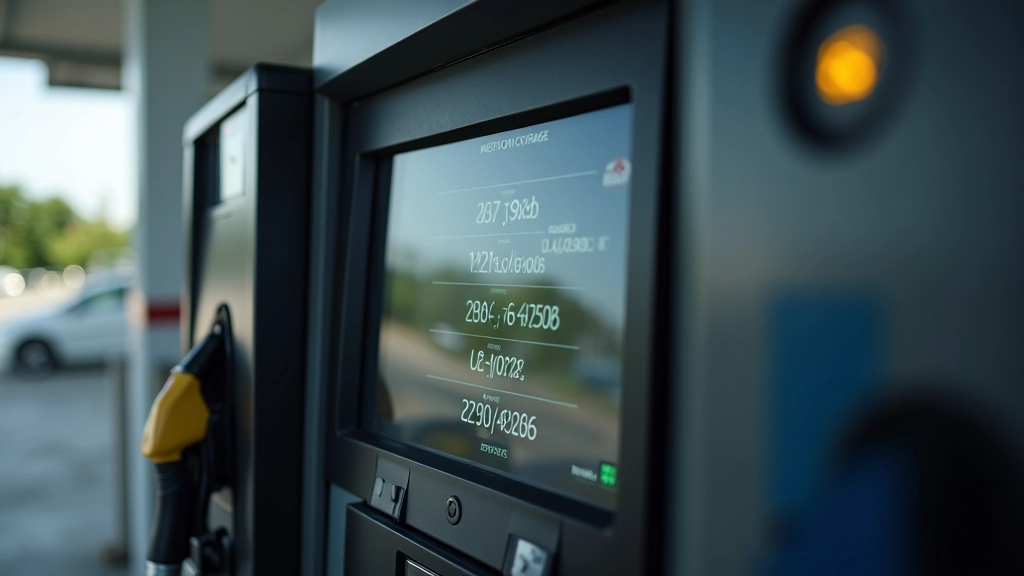
When the government decides to reduce fuel subsidies, it’s not just about what you pay at the pump. It’s a decision that ripples through grocery bills, delivery costs, taxi fares, and basically everything that moves. But here’s the thing — most people don’t understand how these decisions actually work or why they matter.
We’re going to break down the mechanism behind fuel subsidy changes, show you the real numbers, and explain how this connects to the broader cost of living in Malaysia. By the end, you’ll understand not just what’s happening at the petrol station, but why your entire household budget might feel the pinch.

A fuel subsidy is essentially the government’s way of keeping petrol prices lower than they’d naturally be in the open market. When global oil prices spike, the government absorbs some of that cost so you don’t pay the full amount at the pump. Sounds good in theory. But the budget for these subsidies isn’t unlimited.
Here’s the reality: when crude oil costs jump from $60 to $90 per barrel, the government faces a choice. They can keep paying the difference (which strains the national budget), or they can reduce the subsidy and let prices rise. Most countries, including Malaysia, go with option two. It’s not ideal, but it’s economically necessary.
The subsidy works like this: imagine RON95 petrol costs RM2.80 per liter to produce and import, but the government wants to sell it at RM2.05. That’s a RM0.75 difference per liter — multiply that by millions of liters sold daily, and you’re looking at billions in annual subsidy costs. When those costs become unsustainable, the government adjusts the selling price upward.

Let’s get specific. If subsidy reductions push petrol up by RM0.30 per liter (which happened in recent adjustments), here’s what that means for your wallet:
But here’s what matters: the impact varies wildly depending on where you live and how you spend your money. Someone in Kuala Lumpur driving 50 km daily feels it more sharply than someone in a smaller town with minimal commute. A family relying on delivery services feels it more than someone who walks to the market.

Malaysia’s Consumer Price Index (CPI) tracks price changes across a “basket” of goods and services. Transport costs — which includes fuel, vehicle maintenance, and public transport — make up about 15-17% of that basket. Food costs make up another 30-35%.
When fuel subsidies decrease, both transport AND food components of the CPI typically increase. You’re looking at cumulative pressure on roughly 45-50% of the entire CPI basket. That’s significant.
A RM0.30/liter fuel increase doesn’t just affect your pump bill. It cascades through the economy: delivery trucks cost more to run, food arrives at markets more expensively, restaurants raise menu prices, and CPI inflation accelerates. This is why fuel subsidy changes are considered major economic events.

Here’s something most people miss: fuel subsidy changes don’t hit all Malaysian states equally. The impact depends on geography, infrastructure, and economic activity.
Kuala Lumpur and Selangor — with high vehicle density and heavy logistics networks — feel the impact immediately. Food prices rise faster because more goods are transported over longer distances. Petaling Jaya’s cost of living jumps noticeably within 2-3 weeks of a fuel subsidy cut.
Rural areas and smaller states like Perlis or Terengganu show slower price transmission. Why? Lower transportation density, more local food production, fewer delivery-dependent businesses. A subsidy cut still affects them, but the ripple is gentler.
This is exactly why regional cost of living data matters. National CPI averages mask these disparities. Someone in Johor Bahru might see a 2% cost increase while someone in Ampang experiences 3.5%.

Fuel subsidy changes aren’t arbitrary government decisions — they’re responses to global market conditions and budget realities. When you see petrol prices jump, it’s usually because the cost of keeping them artificially low became unsustainable.
The impact flows through your life in ways beyond the pump. Your groceries, your taxi rides, your delivery orders — they’re all connected to fuel costs. Understanding this connection helps you make better financial decisions and understand why inflation happens.
The key takeaway? Watch for announcements about subsidy adjustments. When they happen, you’ve got 2-3 weeks before the full economic effects hit your household budget. That’s your window to adjust expectations and plan accordingly.
This article provides educational information about fuel subsidies and their economic effects in Malaysia. The examples and figures are illustrative based on recent market conditions and are not predictions of future prices. Actual price impacts vary depending on global oil markets, government policy decisions, and local economic conditions. For specific financial planning advice related to fuel costs or inflation, consult with a financial advisor. Data about CPI components and regional cost variations are based on publicly available Malaysian statistics and economic reports.